
When it comes to healthcare facilities, cleanliness is not just about appearance—it is an essential part of maintaining a safe and comfortable environment. From hospital bed sheets and patient gowns to OT linen and pillow covers, every textile used in a hospital needs to meet demanding standards of hygiene, durability, and comfort.
One option that has gained attention in recent years is antimicrobial hospital linen. But is it really worth paying more for antimicrobial products, or can regular hospital linen deliver the same practical value?
Let’s compare the two and understand what hospitals, clinics, laboratories, and other healthcare facilities should consider before making a purchasing decision.
What Is Antimicrobial Hospital Linen?
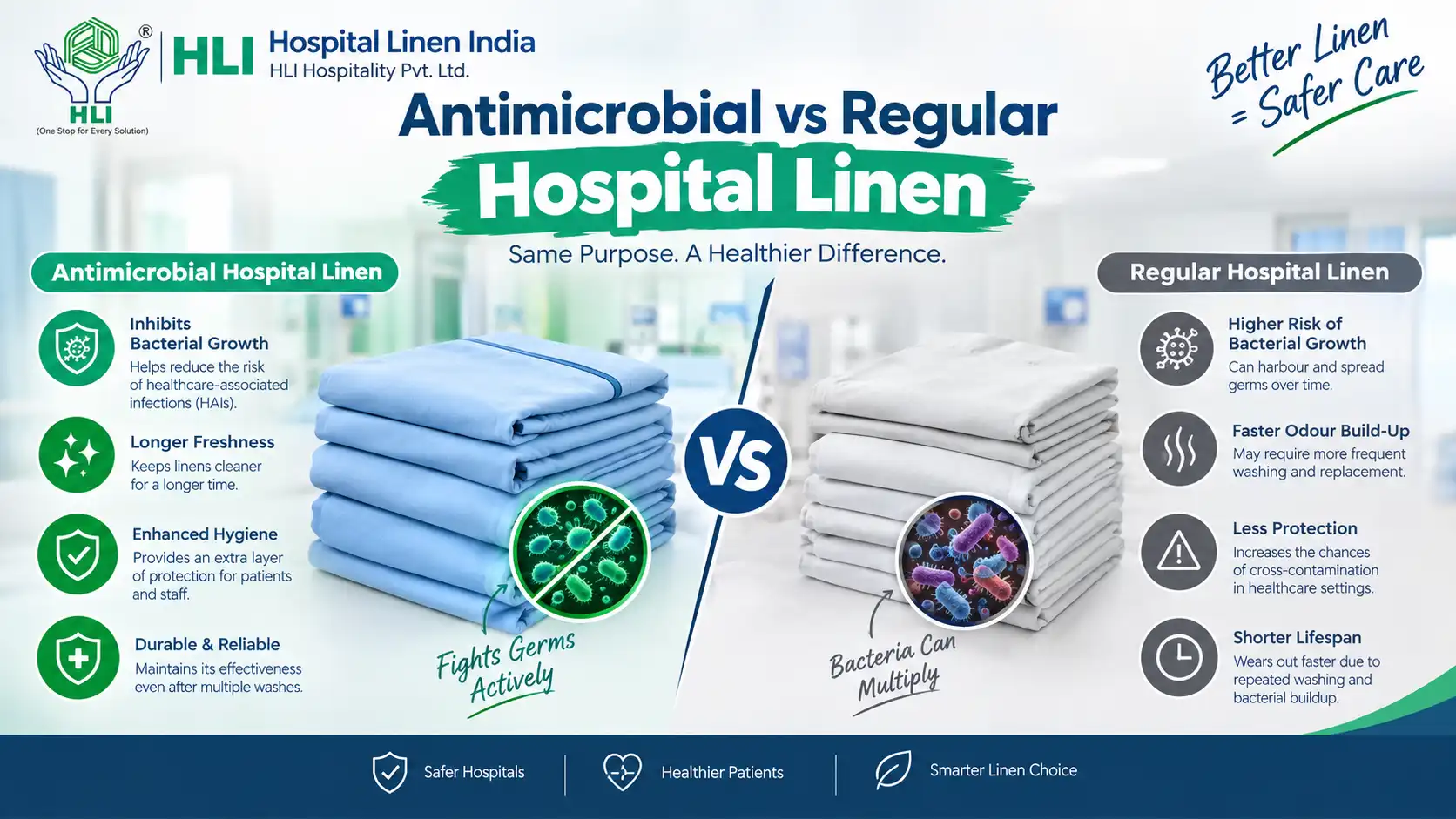
Antimicrobial hospital linen is textile material designed or treated to inhibit the growth of microorganisms on the fabric. Depending on the product and technology used, antimicrobial treatments may help reduce the growth of certain bacteria, fungi, or other microorganisms on the textile surface.
This can make antimicrobial fabric an attractive option for frequently used healthcare textiles such as:
- Hospital bed sheets
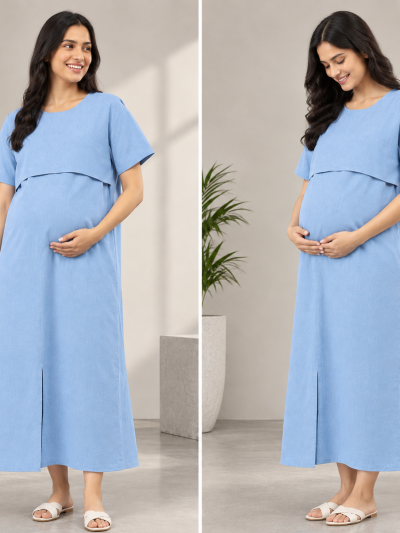
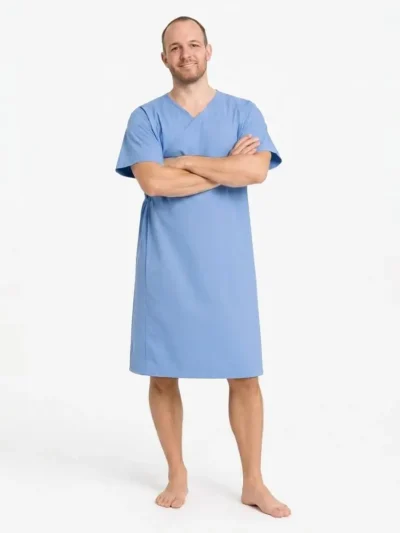
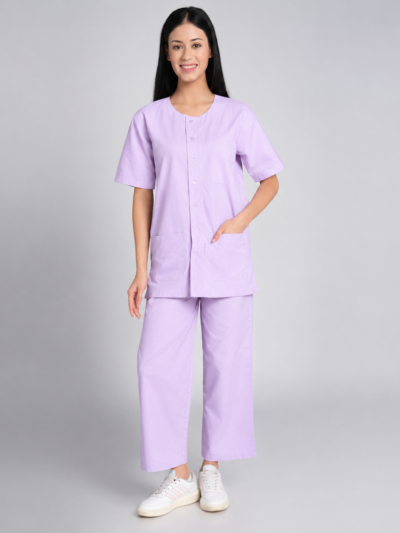
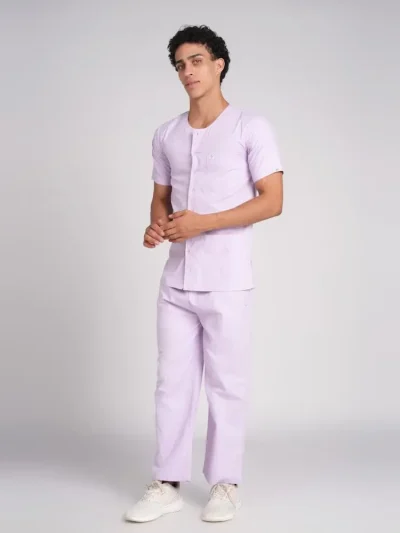
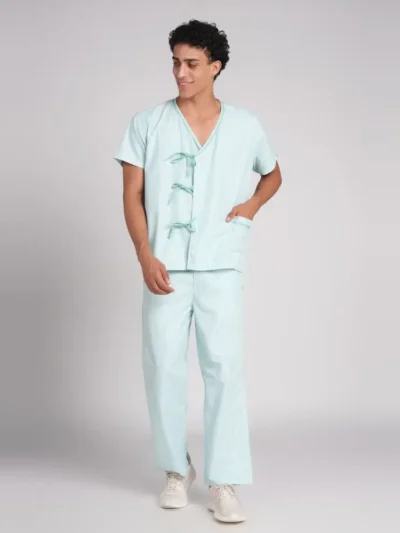
- Patient gowns and dresses
- Pillow covers
- OT linen
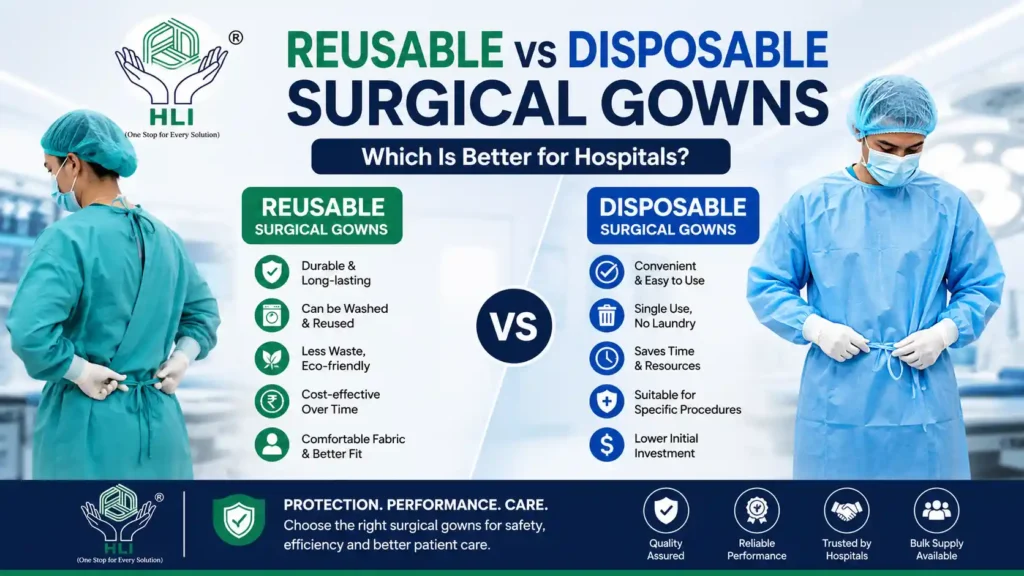
- Surgical gowns
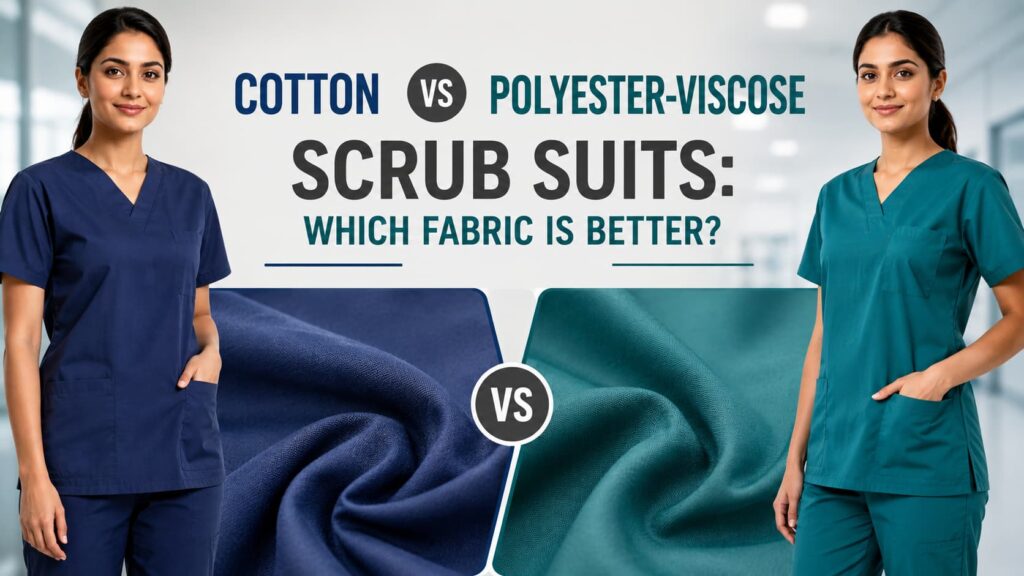
- Scrub suits
- Towels
- Mattress covers
- Examination and procedure-room linen
However, an important point is often overlooked: antimicrobial linen is not a replacement for proper washing, disinfection, sterilization, or infection-control procedures.
What Is Regular Hospital Linen?
Regular hospital linen generally refers to healthcare textiles without a specific antimicrobial treatment. These products can still be highly suitable for hospitals when they are manufactured from appropriate materials and managed through an effective laundering and replacement system.
Good-quality regular hospital linen can provide:
- Comfortable fabric for patients and staff
- Good durability
- Easy washing and maintenance
- Cost-effective bulk purchasing
- Suitable performance for everyday hospital use
For many healthcare facilities, especially those with strict laundry protocols, regular linen remains a practical and economical choice.
Antimicrobial vs Regular Hospital Linen: Key Differences
The biggest difference is the additional antimicrobial feature rather than the basic purpose of the textile.
| Feature | Antimicrobial Hospital Linen | Regular Hospital Linen |
| Microbial-growth control | Designed to inhibit microbial growth on the textile | No specific antimicrobial treatment |
| Initial cost | Usually higher | Generally more economical |
| Maintenance | Still requires proper laundering | Requires proper laundering |
| Durability | Depends on fabric and treatment technology | Depends on fabric quality and construction |
| Everyday hospital use | Suitable for selected applications | Suitable for many routine applications |
| Infection-control replacement | Cannot replace cleaning protocols | Cleaning protocols remain essential |
The right choice therefore depends on where the linen will be used, how frequently it is changed, laundering practices, budget, and the facility’s infection-control requirements.
Is the Premium Price Worth It?
The answer is: sometimes, but not automatically.
For healthcare facilities purchasing linen in bulk, even a small difference in the price per piece can become significant. Therefore, procurement teams should look beyond the word “antimicrobial” and evaluate the complete product.
Before paying a premium, consider:
1. Where Will the Linen Be Used?
Not every area of a hospital has the same requirements.
High-use or sensitive areas may justify considering specialized textile solutions. On the other hand, general wards, administrative areas, staff accommodation, or other routine applications may be better served by durable, cost-effective regular linen.
2. How Is the Linen Laundered?
A strong hospital laundry system is essential regardless of the type of fabric being used.
Regular washing, appropriate temperatures, suitable detergents, proper drying, storage, handling, and timely replacement all contribute to effective hospital linen management.
Antimicrobial properties should therefore be viewed as an additional textile feature—not as a substitute for professional laundering.
3. What Does the Product Actually Offer?
Before purchasing antimicrobial hospital linen, ask the supplier about the technology used, intended purpose, durability of the treatment, washing instructions, and available product documentation.
A trustworthy hospital linen supplier should be able to clearly explain the product rather than simply using “antimicrobial” as a marketing term.
4. Consider Total Cost, Not Just Purchase Price
A cheaper product is not necessarily cheaper over its lifetime.
When comparing hospital linen suppliers, consider:
Purchase price + durability + washing performance + replacement frequency + maintenance = total cost of ownership
A well-made product that survives repeated industrial laundering may offer better long-term value than a low-cost product that needs frequent replacement.
When Regular Hospital Linen May Be the Better Choice
Regular medical linen can be an excellent option when:
- The hospital already has a strong laundering system.
- Linen is changed and washed according to established procedures.
- Budget control is important.
- Large quantities are required.
- The application does not specifically require antimicrobial textile technology.
- Durability and wash performance are the main priorities.
For many hospitals and clinics, investing in high-quality cotton hospital linen and maintaining proper laundry practices can be a sensible approach.
When Antimicrobial Linen May Make Sense
Antimicrobial textiles may be worth considering when a healthcare facility has a specific need for additional microbial-growth control at the textile surface.
They can be considered for selected applications where the facility’s procurement and infection-control teams believe the additional textile feature provides meaningful value.
The key is to make the decision based on the application and evidence, rather than simply choosing the most expensive option.
Quality Still Matters More Than a Label
Whether you choose antimicrobial or regular hospital linen, fabric quality should remain a major purchasing consideration.
Look at factors such as:
- Fabric composition
- GSM and fabric weight
- Stitching quality
- Colorfastness
- Shrinkage after washing
- Tear strength
- Comfort
- Industrial wash performance
- Availability of consistent bulk supply
- Product customization options
For example, a hospital bed sheet that looks good when delivered but loses its shape after repeated washing may create more expenses in the long run.
Choosing the Right Hospital Linen for Your Facility
There is no universal answer to the antimicrobial-versus-regular linen debate. Different healthcare facilities have different requirements.
A hospital purchasing OT linen may have different priorities from a clinic purchasing patient dresses. Similarly, a diagnostic laboratory, nursing home, medical college, or research facility may require a different combination of durability, comfort, hygiene, and cost.
The best approach is to first identify the application and operational requirements and then compare suitable products.
Why Choose HLI Hospitality Pvt. Ltd.?
HLI Hospitality Pvt. Ltd. focuses on manufacturing and supplying a broad range of healthcare textile products for hospitals, clinics, medical institutions, laboratories, and other healthcare facilities.
Our product range can support different healthcare requirements, including hospital linen, OT linen, bed linen, patient clothing, surgical wear, towels, gowns, scrub suits, and other medical textiles.
For bulk requirements, healthcare organizations can evaluate products according to fabric specifications, intended application, quantity, and operational needs.
Final Verdict: Antimicrobial or Regular?
So, is antimicrobial hospital linen worth the premium?
It can be—but only when the additional feature provides value for the specific application.
For many healthcare facilities, high-quality regular hospital linen combined with effective laundering and infection-control practices may be the most practical solution. In selected situations, antimicrobial textiles can provide an additional feature worth considering.
The smartest procurement decision is not simply to choose “antimicrobial” or “regular.” Instead, compare quality, hygiene requirements, durability, laundering performance, application, and total cost of ownership.
After all, good hospital linen should do more than look clean—it should be practical, durable, comfortable, and suitable for the demanding environment of modern healthcare.