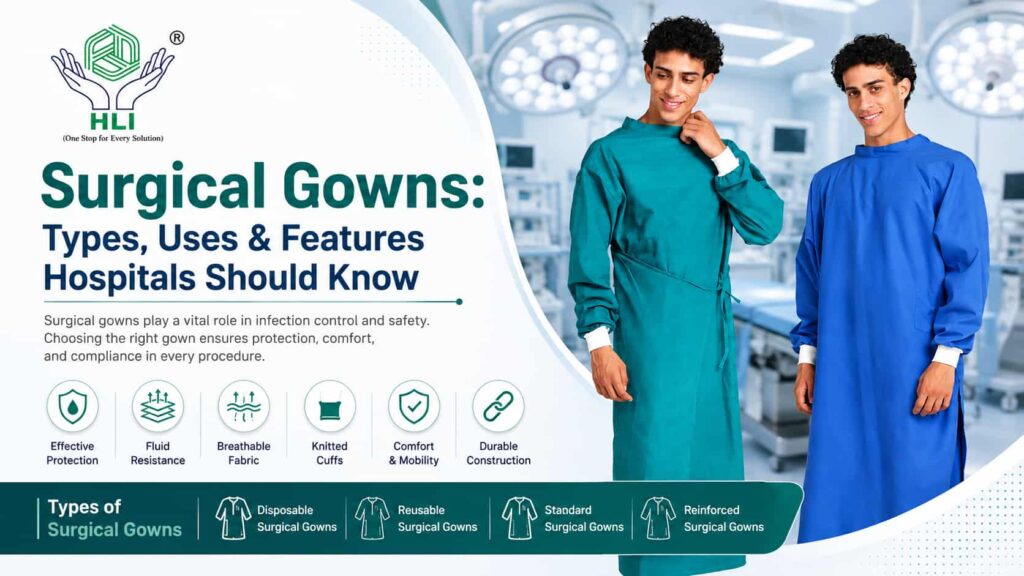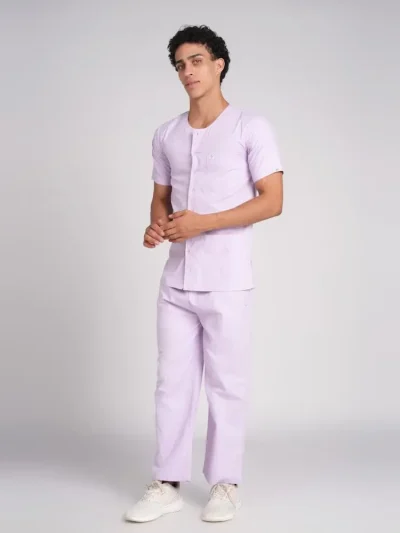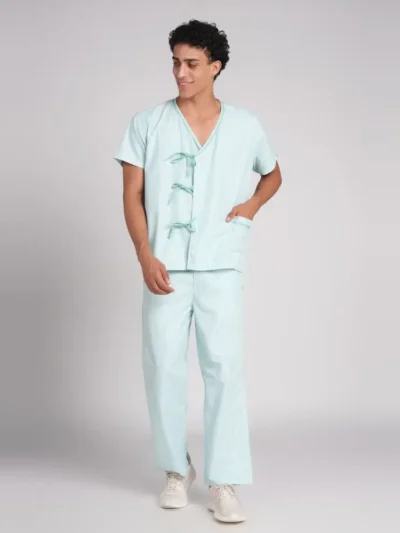

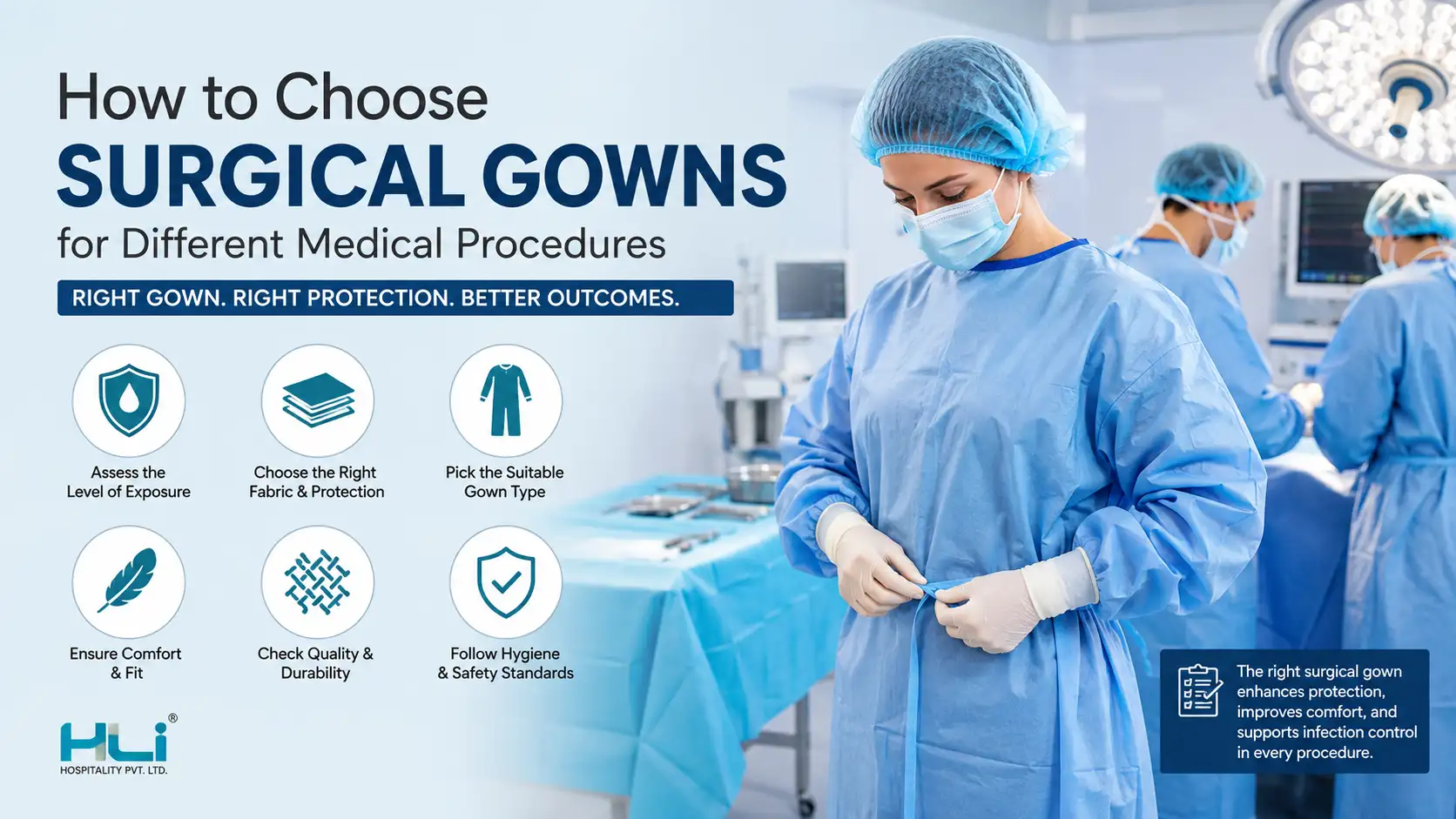
Choosing the right surgical gown is an important part of maintaining hygiene, comfort, and protection in medical environments. Surgical gowns are designed to create a barrier between healthcare professionals and potential contaminants such as blood, bodily fluids, and microorganisms.
However, not every procedure requires the same type of gown. The ideal choice depends on the procedure, exposure risk, fabric, protection level, and comfort requirements.
Why Choosing the Right Surgical Gown Matters
During medical and surgical procedures, healthcare professionals may come into contact with fluids and contaminants. A properly designed gown helps provide an additional protective barrier while allowing medical staff to move comfortably.
For hospitals, clinics, and operating theatres, selecting suitable hospital surgical gowns can also support infection-control practices and improve staff comfort during long procedures.
1. General Surgical Procedures
For routine surgeries with moderate exposure to fluids, healthcare facilities can choose standard reusable or disposable surgical gowns.
Look for:
- Good fluid resistance
- Durable stitching
- Comfortable fit
- Adequate sleeve coverage
- Secure neck and waist closures
- Breathable fabric for extended wear
Reusable cotton or cotton-blend gowns can be a practical choice for hospitals that have established laundry and sterilization systems.
2. High-Fluid Procedures
Procedures involving significant amounts of blood or other bodily fluids require gowns with a higher level of liquid resistance.
In such situations, choose fluid-resistant surgical gowns with reinforced or protective areas around the front and sleeves. The gown should provide sufficient coverage without restricting movement.
These gowns are particularly useful for procedures where healthcare workers have a greater possibility of fluid exposure.
3. Orthopedic and Trauma Surgery
Orthopedic and trauma procedures can involve prolonged operating times and considerable movement by surgical staff. The gown should therefore combine protection with flexibility and comfort.
A suitable orthopedic surgical gown should offer:
- Strong fabric construction
- Reliable seam strength
- Comfortable arm movement
- Effective fluid protection
- Breathability during long procedures
Durability is especially important for reusable gowns used frequently in busy operating theatres.
4. Dental and Minor Surgical Procedures
Dental surgeries, minor procedures, and outpatient interventions may not require the same protection as major operations. Lightweight gowns can often provide sufficient coverage while keeping the wearer comfortable.
For these applications, hospitals and clinics can consider lightweight surgical gowns made from breathable materials that are easy to wear and maintain.
5. Obstetrics and Gynecology Procedures
Obstetric and gynecological procedures can involve exposure to bodily fluids. Gowns used in these environments should therefore provide good front and sleeve coverage along with appropriate fluid resistance.
Comfort is also important because procedures can sometimes be lengthy. A gown that allows easy movement can help medical professionals work more efficiently.
6. Choosing Between Reusable and Disposable Gowns
One of the biggest decisions is whether to select reusable or disposable surgical gowns.
Reusable gowns can be manufactured from durable fabrics such as cotton or cotton blends. They can be washed, sterilized, and reused when handled according to the healthcare facility’s protocols. They may be suitable for hospitals looking for a long-term textile solution.
Disposable gowns are designed for single use and can be convenient when rapid turnover and controlled disposal are priorities.
The right option depends on the hospital’s procedures, laundry facilities, infection-control requirements, and purchasing budget.
7. Check Fabric and Construction Quality
Fabric quality directly affects the performance and lifespan of a surgical gown. Hospitals should evaluate GSM, weave, breathability, fluid resistance, and overall fabric durability.
Pay attention to construction details such as reinforced seams, secure closures, properly finished cuffs, and comfortable neck designs. These small features can make a significant difference during extended procedures.
8. Consider Comfort and Fit
Protection should not come at the expense of comfort. Surgical staff may wear gowns for several hours, so the garment should allow adequate movement without being excessively loose or restrictive.
Choose appropriate sizing and designs that provide sufficient coverage while allowing healthcare professionals to perform their duties comfortably