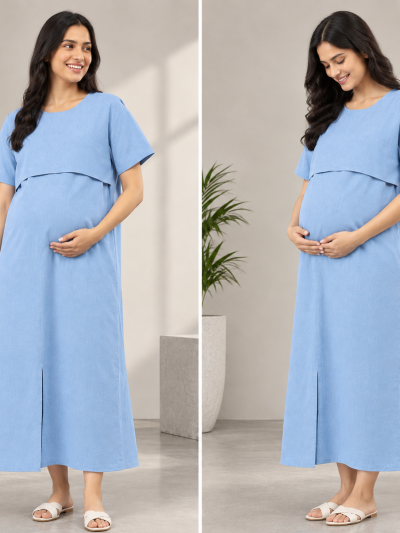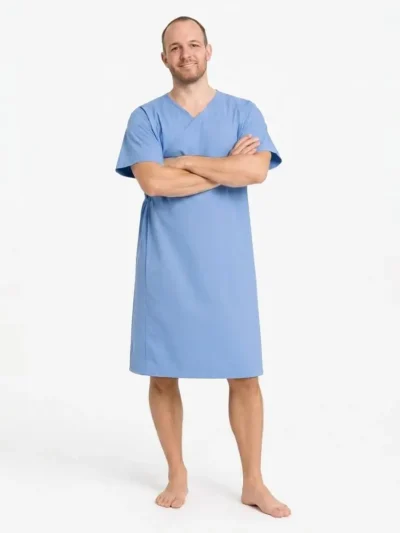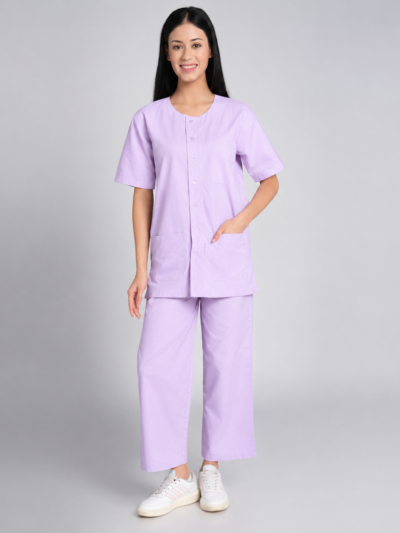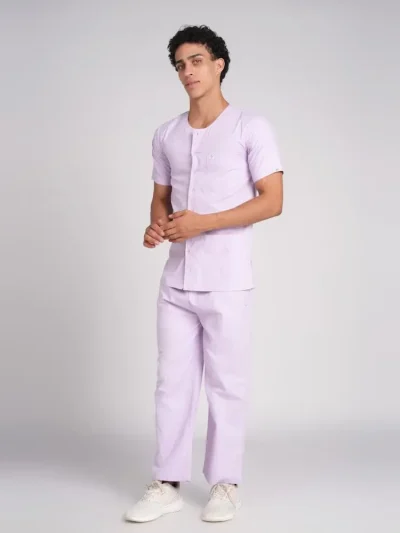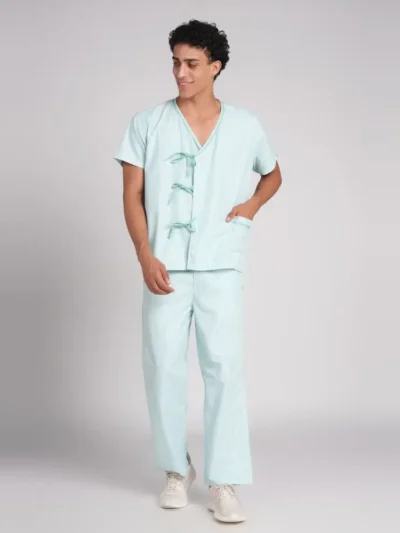


Choosing the right nursing uniform is more important than simply selecting a comfortable outfit for hospital staff. A well-designed nurse uniform supports hygiene, comfort, professional appearance, staff identification, and smooth day-to-day hospital operations. For Hospital HR teams and Nursing Superintendents, selecting nursing uniforms often involves several practical considerations — from fabric quality and sizing to customization, durability, and bulk supply.With nurses spending long hours on their feet and working in demanding clinical environments, their uniforms need to be comfortable, functional, easy to maintain, and suitable for regular hospital use.
This guide covers the key nursing uniform requirements for hospitals and what HR managers and nursing administrators should consider before placing a bulk order.
Why Choosing the Right Nursing Uniform Matters
Nurses are one of the most visible parts of a healthcare team. Their uniforms contribute to the professional image of the hospital while also supporting practical workplace requirements.
A suitable hospital nursing uniform can help with:
- Professional appearance
- Easy identification of nursing staff
- Comfortable movement during long shifts
- Hygiene and cleanliness
- Easy washing and maintenance
- Consistent hospital branding
- Staff comfort and satisfaction
- Efficient uniform management For larger hospitals, these requirements become even more important because uniforms may need to be supplied to hundreds or even thousands of employees.
1. Fabric Selection for Nursing Uniforms
Fabric is one of the first things hospitals should evaluate when selecting nursing uniforms.Nurses may work for 8, 10, or even 12-hour shifts, so the fabric should provide comfort throughout the working day. It should also withstand frequent washing and regular hospital use.
Important fabric considerations include:
Breathability
A breathable fabric can provide better comfort during long working hours, particularly in busy hospital environments.
Durability
Hospital uniforms are washed frequently. Therefore, the fabric should be strong enough to maintain its appearance and performance after repeated washing.
Easy Maintenance
Nursing uniforms should ideally be easy to wash, dry, iron, and maintain. Low-maintenance fabrics can make uniform management easier for hospital housekeeping and staff.
Colour Retention
Uniform colours should remain consistent after repeated washing. This is particularly important when hospitals use specific colours to identify different departments or roles.
2. Comfortable Fit and Proper Sizing
A nursing uniform should allow staff to move freely while performing their daily responsibilities. Nurses frequently walk between departments, assist patients, bend, stretch, and perform various clinical tasks. An uncomfortable or poorly fitted uniform can become a distraction during a long shift. When placing a bulk nursing uniform order, hospitals should consider offering a comprehensive size range. For example:
- XS
- S
- M
- L
- XL
- XXL
- XXXL
Depending on the hospital’s workforce, customized sizing may also be required. A professional nursing uniform supplier should be able to provide size samples before bulk production so that HR teams can verify the fitting and make adjustments if required.
3. Practical Design and Functionality
A nursing uniform needs to be practical, not just visually appealing. Depending on the hospital’s requirements, features may include:
- Functional pockets
- Comfortable necklines
- Appropriate sleeve lengths
- Easy-to-use closures
- Comfortable waist design
- Durable stitching
- Reinforced stress points
- Department-specific colour options Pockets can be particularly useful for carrying essential small items during a shift.The design should also maintain a professional appearance while allowing nurses to perform their duties comfortably.
4. Hospital Branding and Customization
Hospitals increasingly use uniforms as part of their professional identity. A custom nursing uniform can incorporate the hospital’s:
- Logo
- Name
- Department identification
- Staff designation
- Colour scheme Depending on the hospital’s workforce, customized sizing may also be required. A professional nursing uniform supplier should be able to provide size samples before bulk production so that HR teams can verify the fitting and make adjustments if required.
5. Hygiene and Easy Washing
Healthcare uniforms require regular cleaning. Therefore, hygiene should be a key consideration when selecting hospital nursing uniforms.The uniform fabric should be suitable for frequent washing without quickly losing its shape, colour, or overall appearance.Hospitals should discuss washing and care requirements with their hospital uniform supplier before finalizing the fabric.It is also useful to establish a clear uniform replacement schedule so that worn-out uniforms can be replaced before they affect professional presentation or staff comfort.
6. Bulk Nursing Uniform Requirements
For hospitals, purchasing uniforms individually is rarely practical. Most organizations require bulk nursing uniform supply based on their total staff strength.Before placing an order, HR teams should prepare a requirement sheet covering:
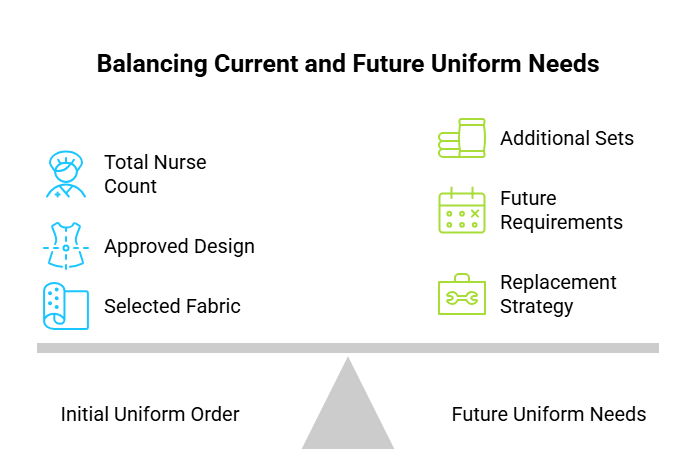
Planning these details in advance can make the procurement process much smoother.
7. Keep Extra Uniforms for Replacement
Hospitals should consider ordering a small additional quantity of uniforms.
Extra sets can be useful for:
- New employee onboarding
- Damaged uniforms
- Size changes
- Replacement requirements
- Staff expansion
- Emergency requirements
Maintaining a small uniform buffer can prevent last-minute procurement problems.
8. Choosing a Reliable Nursing Uniform Supplier
The supplier plays an important role in maintaining consistency across a hospital’s uniform program.When evaluating a nursing uniform supplier in India, HR and procurement teams should consider:
Manufacturing Capability
Can the supplier handle the hospital’s required quantity within the expected timeline?
Quality Consistency
The fabric, stitching, colour, sizing, and finishing should remain consistent across the complete order.
Customization
Can the supplier manufacture uniforms according to the hospital’s approved design?
Sampling
Does the supplier provide samples before bulk production?
Bulk Order Capacity
The supplier should have sufficient production capability to meet the hospital’s quantity and delivery requirements.
After-Sales Support
A reliable supplier should be able to support future requirements, replacements, and repeat orders.
9. Nursing Uniforms for Different Hospital Departments
Not every hospital department necessarily requires the same uniform design.
Depending on the organization’s internal system, hospitals may use different colours or designs for:
- General nursing staff
- ICU nurses
- OT staff
- Emergency department
- Pediatric departments
- Nursing supervisors
- Specialty departments Department-specific uniforms can make staff identification easier for patients, visitors, and other healthcare professionals.However, hospitals should maintain a consistent overall design language so that the institution retains a professional appearance.
10. Cost vs. Long-Term Value
Price is naturally an important consideration when purchasing bulk nursing uniforms, but it should not be the only deciding factor.A very low-cost uniform may become expensive over time if it requires frequent replacement.
HR and procurement teams should consider the overall value, including:

A slightly higher initial investment can potentially provide better long-term value when uniforms are designed for regular hospital use.
Nursing Uniform Procurement Checklist for HR Teams
Before finalizing an order, hospital HR and nursing management teams can use this checklist:
☐ Finalize uniform design
☐ Select suitable fabric
☐ Confirm colour requirements
☐ Prepare size-wise quantity
☐ Confirm hospital logo placement
☐ Approve sample
☐ Check stitching and finishing
☐ Confirm bulk production capacity
☐ Finalize delivery schedule
☐ Keep additional sets for replacements
☐ Confirm future repeat-order availability
This simple process can help reduce errors and make hospital uniform procurement more organized.
Why Hospital-Specific Uniform Manufacturing Matters
Every hospital has different requirements. Staff strength, departments, preferred colours, branding, sizing, and uniform designs can vary significantly.Working with an experienced hospital uniform manufacturer allows organizations to develop uniforms around their specific operational needs rather than relying only on standard ready-made options.For large hospitals and healthcare organizations, this can be especially useful when consistency and repeat availability are important.